Growing up middle-class with a teacher mother and engineer father, I learned that vacations were rare, carefully planned events that required months or even years of saving.
We took maybe one big trip every few years, and it was treated as a major undertaking that consumed considerable financial and emotional energy.
That mindset stuck with me well into adulthood.
Even when I was making good money as a financial analyst, I carried this belief that travel had to be either a massive splurge or not worth doing at all. It had to be two weeks in Europe or nothing. It had to be carefully saved for and meticulously planned, or it wasn’t legitimate.
Then something shifted. I started noticing people around me traveling regularly without seeming to go broke.
Not wealthy people taking luxury vacations, but regular folks incorporating travel into their lives in sustainable ways.
That observation made me rethink everything I’d learned about what travel had to look like. Now I travel more frequently than I ever did while spending less overall and stressing about it far less. The key wasn’t earning more money. It was completely changing my approach.
I stopped waiting for the “perfect” trip
The biggest mindset shift was letting go of the idea that travel had to be a once-in-a-lifetime perfect experience.
I used to think: if I’m going to spend money on travel, it needs to be somewhere amazing that I might never get back to.
That pressure made every trip feel enormous. The stakes were so high that planning became paralyzing and the actual experience could never live up to expectations.
Now I take smaller trips more often. A long weekend in a nearby city. A few days exploring a national park a few hours away. A week somewhere I can drive to instead of fly.
These trips don’t require months of saving. They don’t need extensive planning. They’re just regular breaks from routine that happen to involve going somewhere different.
The psychological shift is significant. When you’re not treating every trip as a major life event, you can actually relax and enjoy it. You’re not desperately trying to maximize every moment because this is your one chance. You’re just experiencing a place and knowing you can travel again soon if you want to.
I learned to travel in shoulder seasons
One of the simplest ways to make travel affordable is avoiding peak times.
Everyone wants to go to the beach in summer and ski in winter. Flights and accommodations are priced accordingly.
But if you have any flexibility with timing, traveling during shoulder seasons cuts costs dramatically while often improving the experience.
I visited a popular coastal town in early October instead of July. The weather was still beautiful, the beaches weren’t crowded, and the hotel cost half as much. I went to a mountain town in late spring instead of peak summer. Everything was green and gorgeous, the trails were empty, and I could actually get reservations at restaurants.
This requires some flexibility, which admittedly not everyone has if they’re tied to school schedules or limited vacation time. But even small shifts make a difference. Traveling on Tuesday instead of Friday. Visiting in early June instead of mid-July.
The savings compound quickly. Cheaper flights, cheaper lodging, cheaper activities because tourist-heavy businesses are offering deals to attract off-season visitors. You end up with a better experience for less money.
I prioritized experiences over accommodations
I used to think nice hotels were part of what made travel special. Now I realize I barely spend time in hotel rooms.
Unless you’re planning to lounge around your accommodation all day, you’re using it primarily to sleep and shower.
Paying premium prices for amenities you won’t use doesn’t enhance the trip. It just depletes your budget for things you’ll actually remember.
I stay in budget hotels, hostels with private rooms, or vacation rentals now. As long as the place is clean and safe, it doesn’t need to be fancy. I’d rather spend money on interesting meals, activities, or simply having more trips throughout the year.
This shift also opened up different types of travel. Staying in someone’s spare room through a rental site often means interacting with locals who give you recommendations you’d never find in guidebooks. Budget accommodations are often in neighborhoods where actual residents live, not just tourist areas.
The memories I carry from trips have nothing to do with thread count or complimentary breakfast. They’re about what I saw, who I talked to, and how I spent my time outside the place I slept.
I built travel into my regular budget
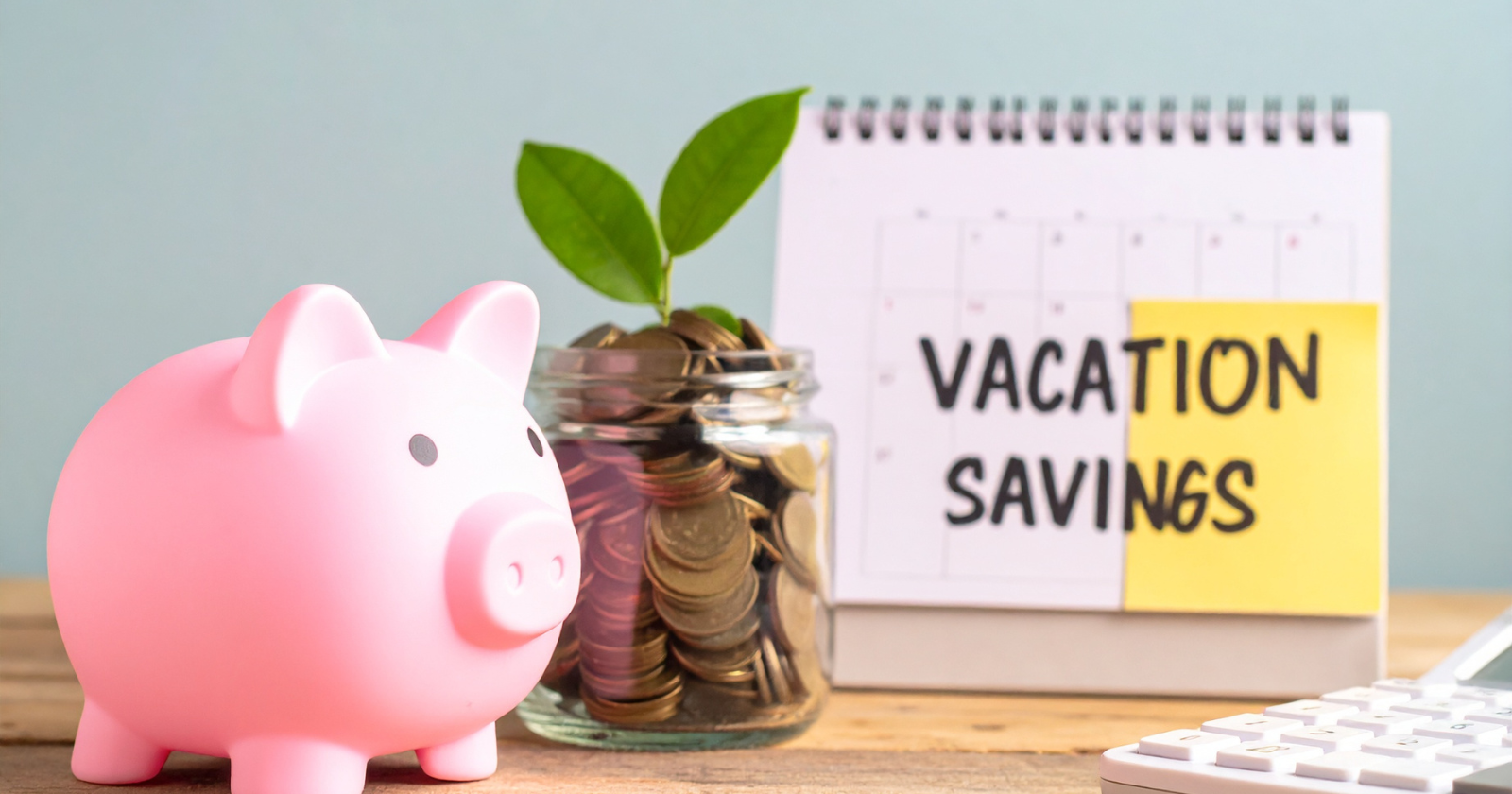
Instead of saving separately for some future trip, I now allocate money to travel every month like any other expense category.
This was a major psychological shift. Travel isn’t something I save up for as a special occasion. It’s a regular part of how I spend my money, just like groceries or utilities.
I don’t need to wait until I’ve accumulated some specific amount before I “deserve” to travel. I have an ongoing travel fund that I contribute to consistently. When it reaches a certain threshold, I take a trip. Then I start building it back up.
This approach means I’m always planning the next thing, which makes travel feel accessible rather than aspirational. It’s not some distant reward for years of discipline. It’s just part of my life.
The monthly amount doesn’t have to be large. Even setting aside a small percentage of your income specifically for travel adds up faster than you think. The consistency matters more than the amount.
I embraced shorter trips
You don’t need two weeks to make travel worthwhile.
This was another belief I had to unlearn. I thought if I was going somewhere, I needed to stay long enough to “make it worth it.” But three days somewhere new is infinitely more interesting than three days at home wishing you were somewhere else.
Long weekends have become my default travel mode. Friday through Monday gives you two full days in a place, which is enough to get a feel for it, see the main things you want to see, and not feel rushed.
These micro-trips also fit more easily into work schedules. You’re not asking for a huge block of vacation time. You’re just extending a weekend, which feels more manageable to both you and your employer.
The frequency compensates for the brevity. I’d rather take six three-day trips throughout the year than one two-week trip. More variety, more experiences, more opportunities to disconnect from routine.
I stopped trying to see everything
When travel was rare, I felt pressure to cram in every possible sight and activity. That made trips exhausting rather than rejuvenating.
Now I’m comfortable with slower travel. Picking a few things I genuinely want to do and leaving space for wandering, rest, and spontaneous discoveries. Not optimizing every hour or feeling guilty about downtime.
This approach is not only less stressful but also cheaper. You’re not paying for constant activities or rushing between paid attractions. You’re spending time in parks, walking through neighborhoods, sitting in cafes people-watching, exploring markets.
Some of the best travel experiences cost nothing. Watching sunrise from a beach. Hiking a trail. Getting lost in an interesting neighborhood. Having conversations with locals. These moments don’t appear in guidebooks, but they’re often what you remember most.
Accepting that you won’t see everything also makes it easier to return to places. The first time I visited a city, I felt pressure to hit all the major sites. Now when I return, I can skip the tourist checklist and dig deeper into what interests me.
I got honest about what I actually enjoy
Not all travel is created equal, and not all types of travel suit everyone.
I spent years thinking I should want certain travel experiences because they seemed impressive or culturally valuable. Backpacking through Southeast Asia. Luxury beach resorts. Cruise ships. Big organized tours.
But when I got honest with myself, I realized what I actually enjoy is pretty simple. Nature, small towns, good food, interesting conversations, and lots of walking. I don’t need elaborate activities or luxury amenities. I need space to think and move and eat well.
Figuring out what you genuinely enjoy rather than what you think you should enjoy makes travel both cheaper and more satisfying. You stop spending money on experiences that don’t actually fulfill you.
For me, this meant prioritizing places I could hike and explore over beach resorts where I’d be bored. It meant choosing destinations with good local food over places famous for nightlife I wouldn’t enjoy. It meant accepting that my ideal trip looks different from other people’s, and that’s fine.
If you’re carrying beliefs about travel being something you can only do occasionally after significant saving, I’d encourage you to question whether those beliefs still serve you. Maybe they do. But maybe, like me, you’ll find that travel becomes possible once you stop waiting for the perfect circumstances and start working with what you have right now.
If You Were a Healing Herb, Which Would You Be?
Each herb holds a unique kind of magic — soothing, awakening, grounding, or clarifying.
This 9-question quiz reveals the healing plant that mirrors your energy right now and what it says about your natural rhythm.
✨ Instant results. Deeply insightful.